
CRITICAL STRATEGY OF FOOD SECURITY
The 2026 Intercontinental Commodity Exchange (ICX) Summit in Dubai stood as a pivotal moment in global agricultural trade, bringing together the world’s most influential market makers under the theme “The Room Where the Future of Agricultural Trade is Decided.” As an invitation-only gathering of 700 leaders—85% of them C-suite executives—the summit created a high-impact nexus of policy and private sector strategy.
Positioned alongside Gulfood during a critical week in global commerce, the event leveraged its strategic timing and location to place decision-makers at the heart of transformative conversations, reinforcing ICX’s role not just as a forum, but as a catalyst for the future of food and trade.
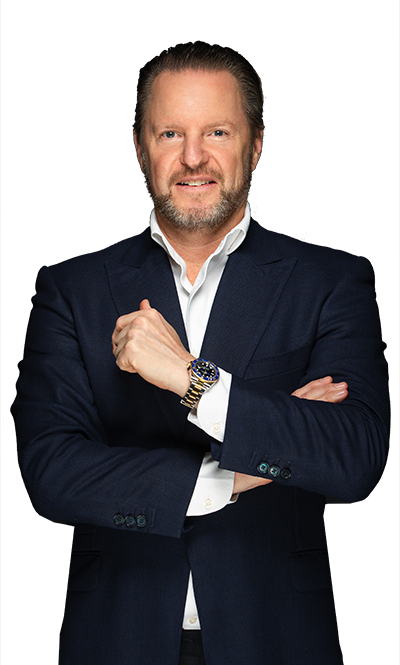
“We are not just hosting a summit; we are curating the one conversation that will define the next era of agricultural trade,” said Mr. Philip Werle, President of ICX Summit (http://philipwerle.com/). “Holding this conversation at the Museum of the Future—a symbol of visionary thinking—is a deliberate choice. We are bringing the industry’s most influential leaders to a place where the future is imagined and built. If you are not in this room, you are not part of that Future of Agricultural Commodities.”
The ICX Summit 2026 agenda cut straight to the core of global agricultural challenges, hosting candid, high-stakes dialogues on food security, trade infrastructure, and geopolitical risk. With senior government officials, industry CEOs, and top commodity traders at the table, discussions tackled urgent issues like supply chain resilience and the UAE’s rising role as a strategic hub for East-West commodity flows. More than a conference, it was a decisive forum where policy met action, shaping the future of global food systems.
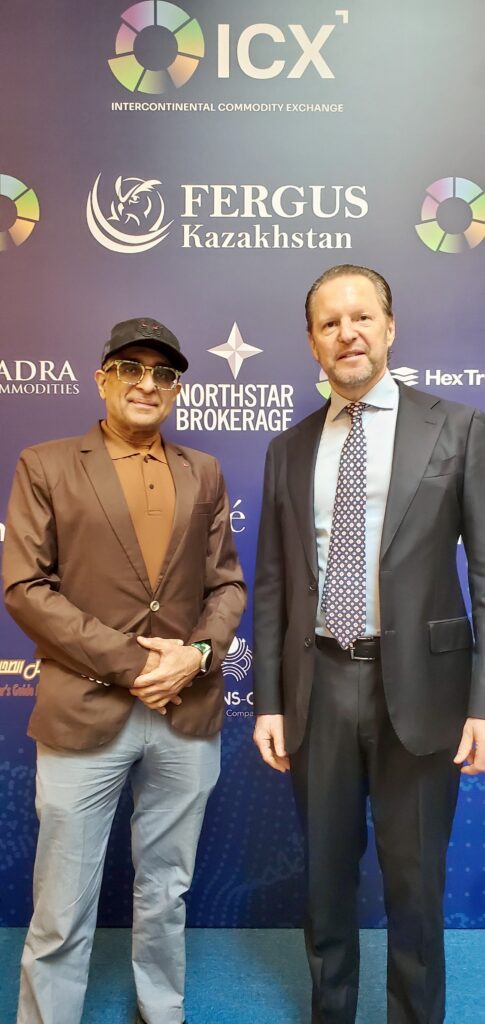
Senior government and food security authorities** from Kazakhstan, the UAE, Egypt, Brazil, Argentina, and Europe — including the Kazakhstan Ministry of Agriculture, the Ministry of Agriculture (Mapa) Secretary of Commerce of Brazil, the UAE Ministry of Foreign Trade, ADAFSA, and AAAID — along with **leading global agribusiness and trade groups such as Al Dahra, Agthia, Fergus, Meke, Transoil Group, Quadra, Northstar, Fastmarkets, Arete, and HEX Trust, representing the full spectrum of grain, oilseeds, freight, and commodity trading.
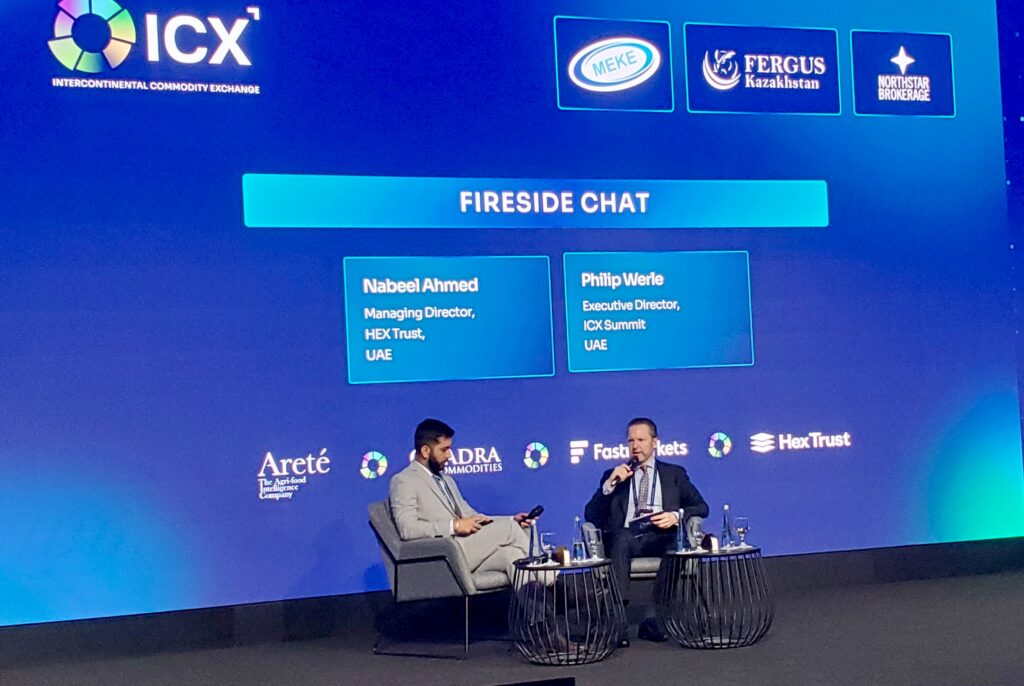
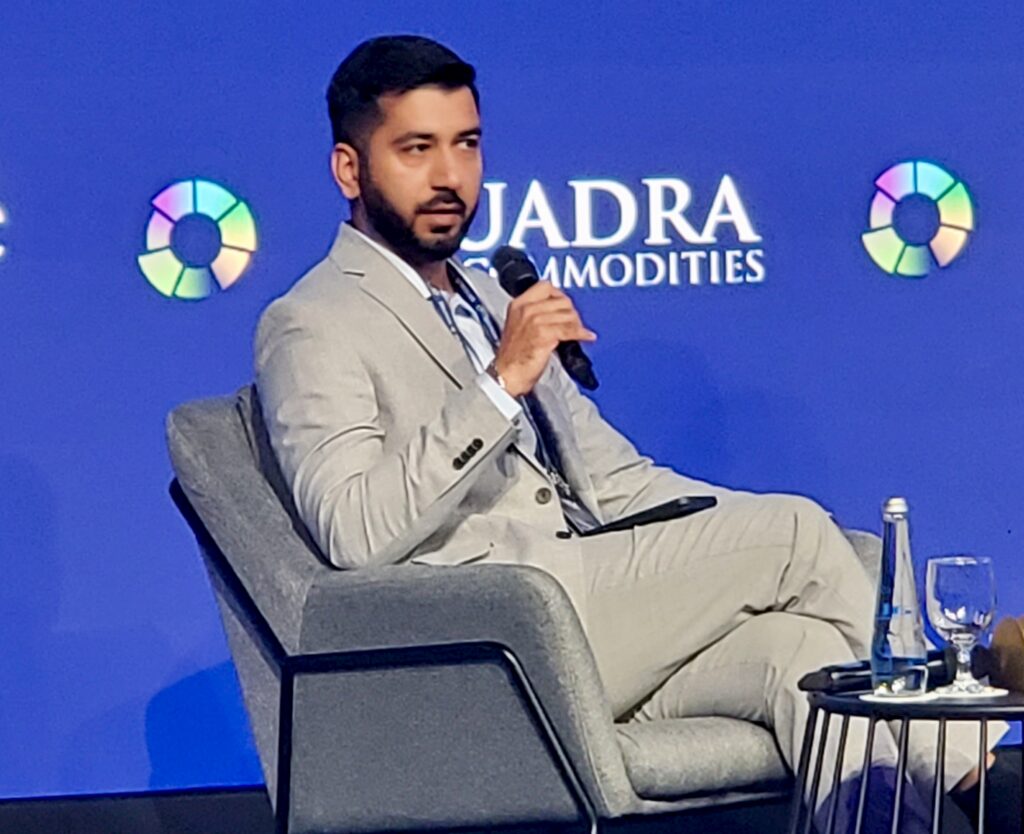
The fireside chat between Nabeel Ahmed (Managing Director of Hex Trust) and Philip Werle focused on the future of institutional-grade digital finance for commodity trading.
Key Takeaways & Strategic Outlook
The session, titled “Digital Payments & Trade Infrastructure”, explored how payment networks act as the “central nervous system” for global market trade flows:
Real-Time Settlement: Moving global markets away from legacy SWIFT or SEPA rails toward instant cross-border settlement systems.
High-Volume Trade Systems: Developing multi-currency infrastructure uniquely designed to manage high-value, high-frequency physical commodity flows.
Data-First Decisions: Utilizing precision data analytics to empower corporate and institutional decision-making processes.
Tailored Compliance: Implementing specialized, robust Anti-Money Laundering (AML) and compliance frameworks built for complex commodity markets.
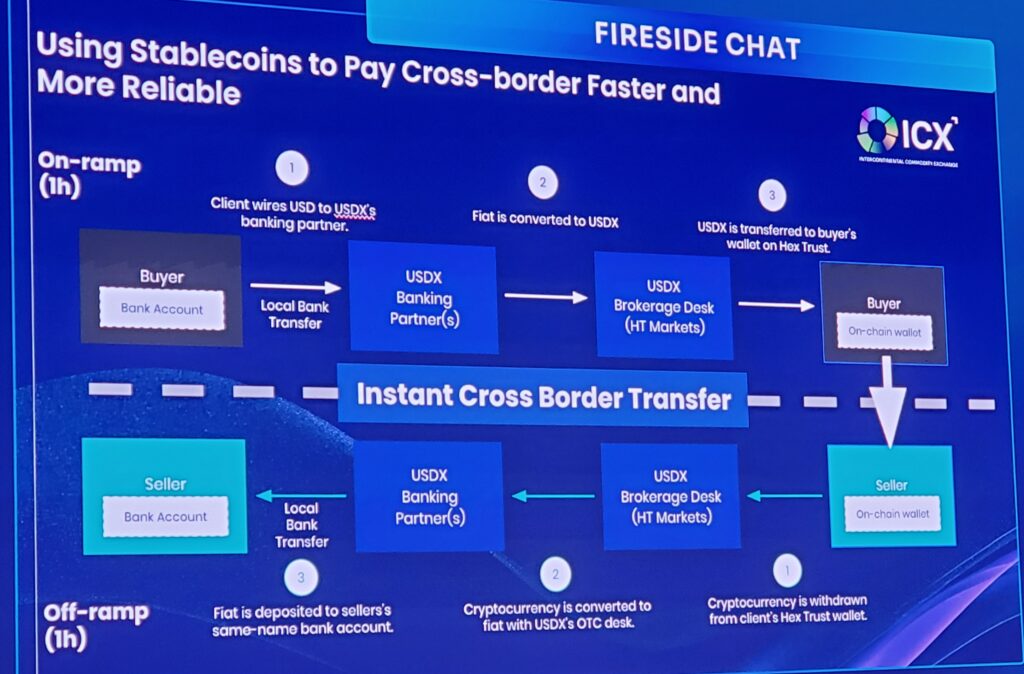
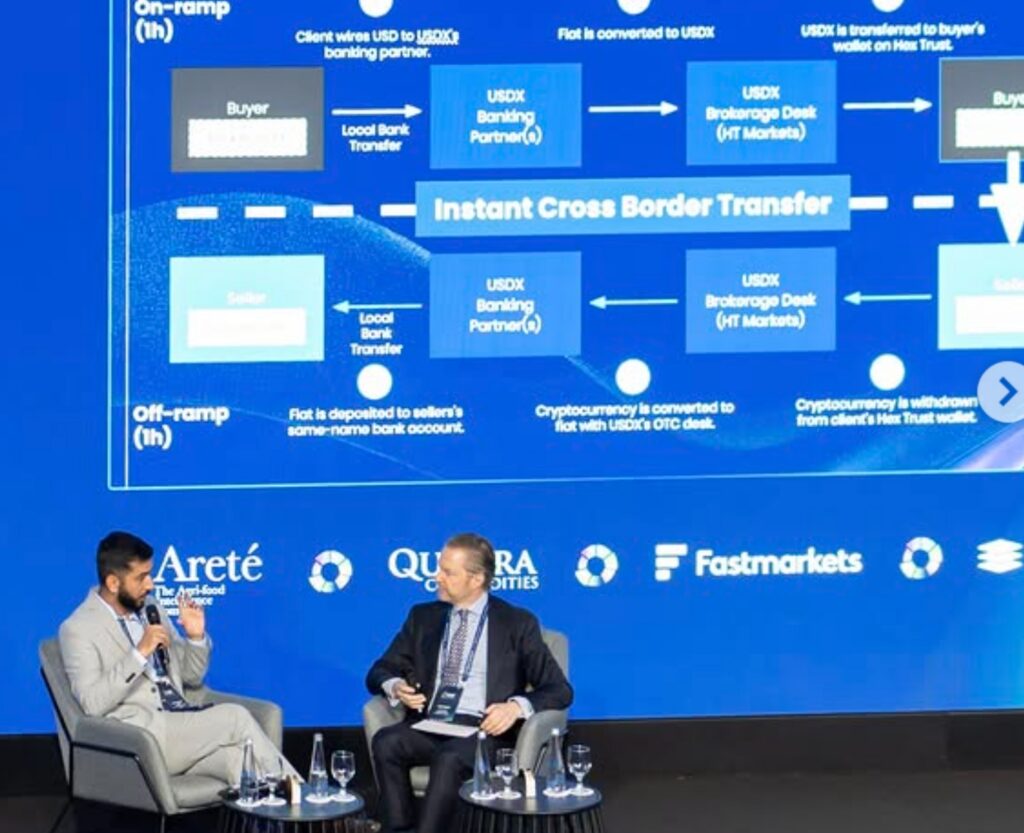
FX and Cost Efficiencies: Capitalising on direct foreign exchange (FX) advantages and operational cost reductions to maximize profit margins for global traders.
Institutional Custody: Safeguarding corporate and client funds using secure, regulated digital-asset infrastructure.
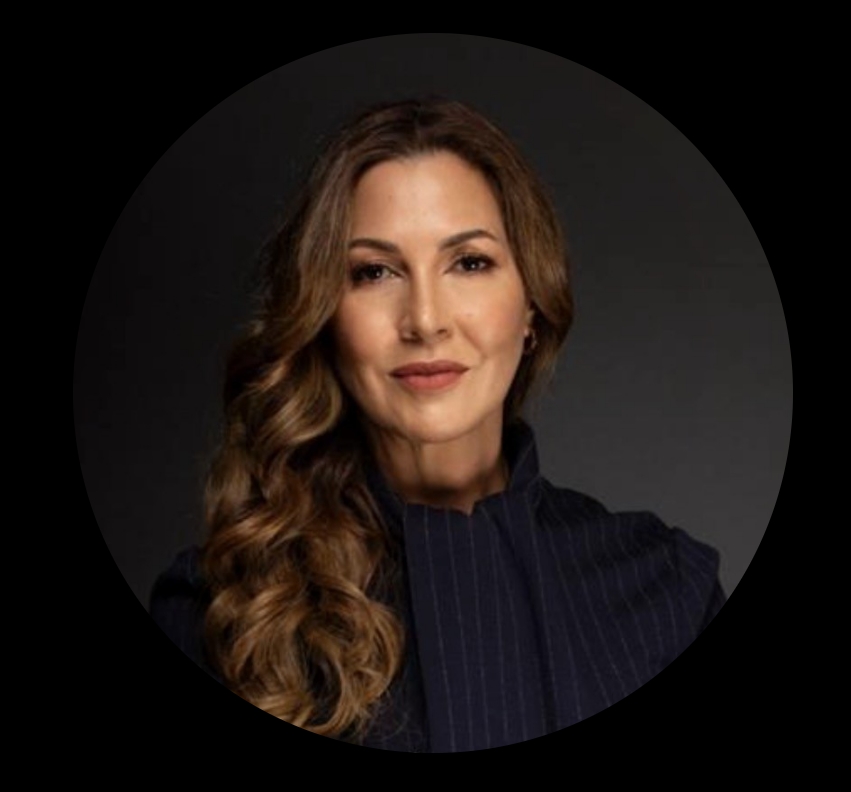
Hind Werle El Moutribi co-founded and manages strategic partnerships for the Intercontinental Commodity Exchange (ICX), which hosted the ICX Summit Dubai at the Museum of the Future, The ICX 2026 Dubai summit established UAE as a critical logistical and financial hub, securing food supply chains across the MENA region, Africa, and Asia amidst global volatility. By gathering C-suite executives and officials to bypass Black Sea disruptions, the summit acted as a high-stakes forum to build a transparent, blockchain-enabled agricultural trade ecosystem
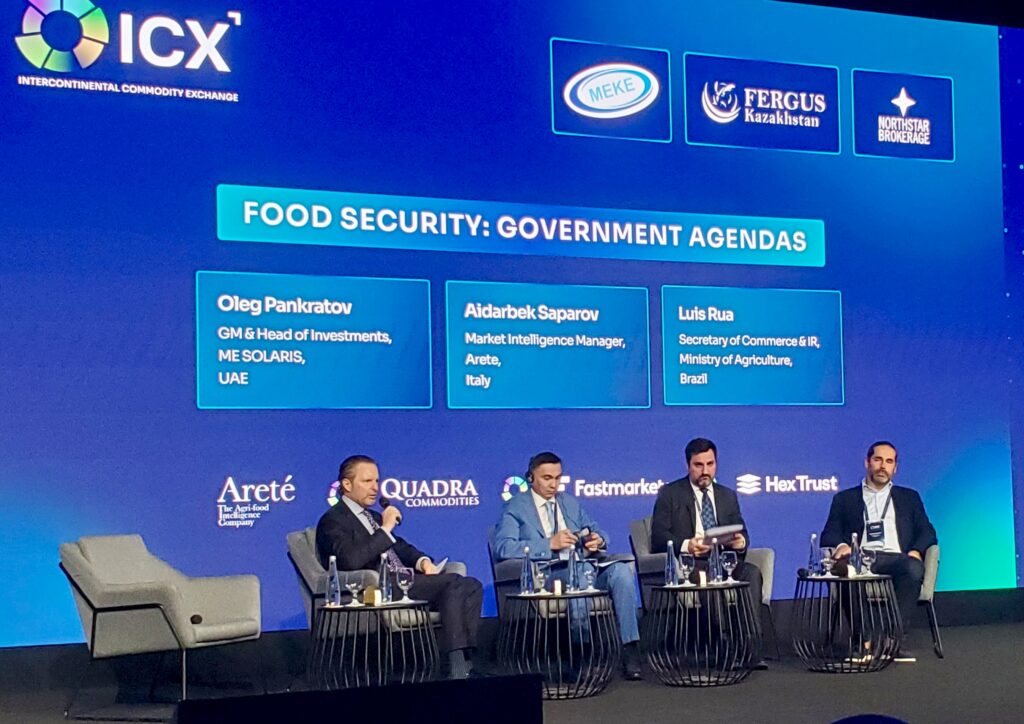
The key takeaways from the Food Security: Government Agendas, the panel discussion at the ICX (International Commodity Exchange) 2026 Summit in Dubai, the panelists – Oleg Pankratov: GM & Head of Investments, ME SOLARIS, Aidarbek Saparov: Market Intelligence Manager, Arete, Italy, Luis Rua: Secretary of Commerce & IR, Ministry of Agriculture, Brazil, moderator Mr. Philip Werle, President of ICX Summit, reflected the insights of global investment, market intelligence, and agricultural ministry leaders:
Middle East Strategic Investments (Oleg Pankratov, ME SOLARIS)
Capital Deployment: The UAE and broader Gulf region are aggressively shifting from passive food importing to active equity investments in global supply chains.
AgTech Scaling: Investment agendas are heavily prioritizing climate-resilient agriculture, vertical farming, and localized solar-powered desalination infrastructure to secure domestic baselines.
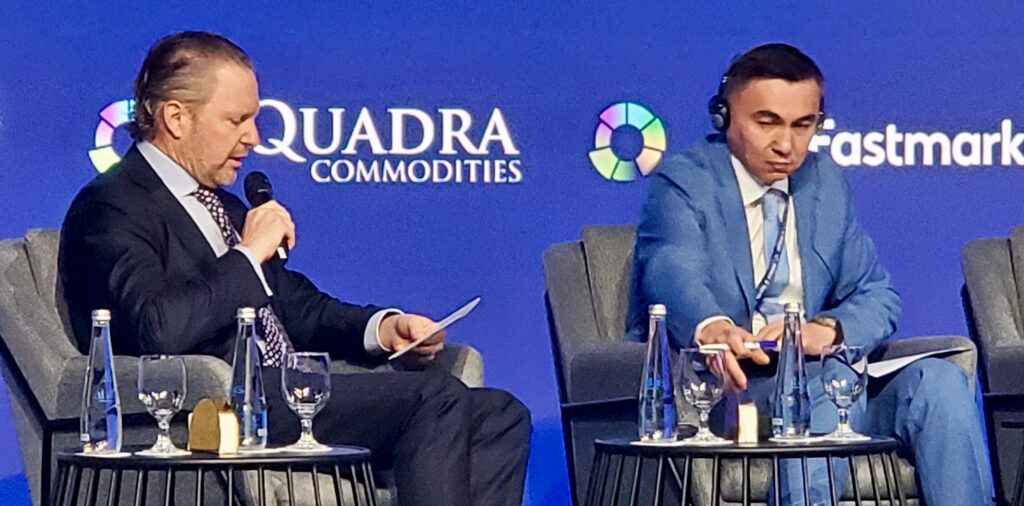
Market Intelligence & Price Volatility (Aidarbek Saparov, Arete)
Data-Driven Resilience: Geopolitical friction and climate disruptions require predictive market intelligence over historical data to forecast crop yields and systemic bottlenecks.
Supply Chain De-risking: Global buyers must diversify structural sourcing layers rather than relying on traditional, single-region agricultural breadbaskets.
South American Export Agendas (Luis Rua, Ministry of Agriculture, Brazil)
Global Breadbasket Role: Brazil is expanding its bilateral trade agreements to act as a stable, long-term guarantor of food supply for import-dependent nations like the UAE.
Sustainable Escalation: The government’s agenda focuses on increasing crop yields and agricultural output through technology and degraded land recovery, rather than deforestation.
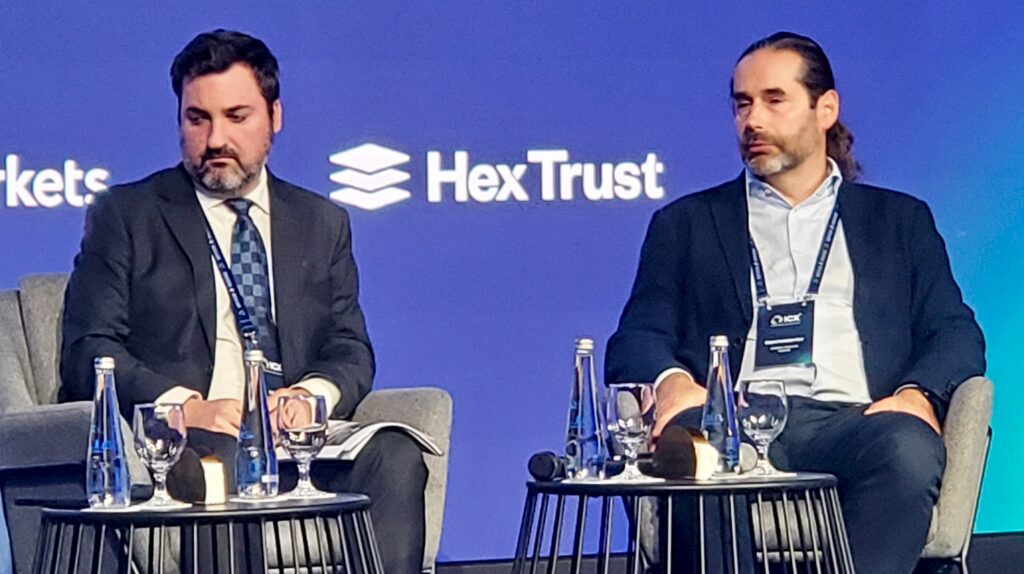
Ecosystem & Corporate Alignment
Supply Chain Infrastructure: The presence of Quadra Commodities and Fastmarkets emphasizes the critical need for real-time commodity pricing transparency and physical logistics efficiency.
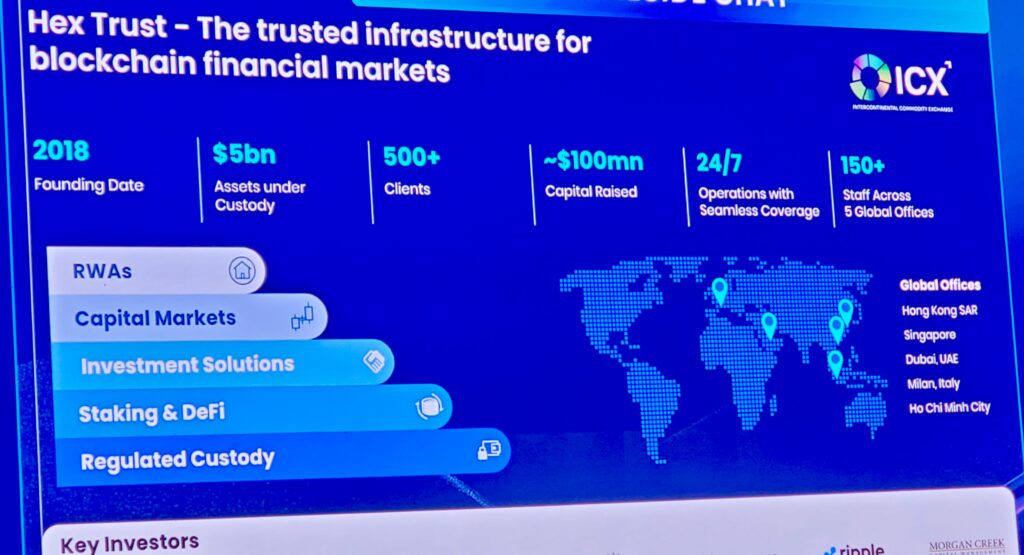
Digital Financing: The participation of digital asset custodian Hex Trust highlights an emerging institutional shift toward utilizing blockchain infrastructure for transparent trade financing and agricultural tokenisation.
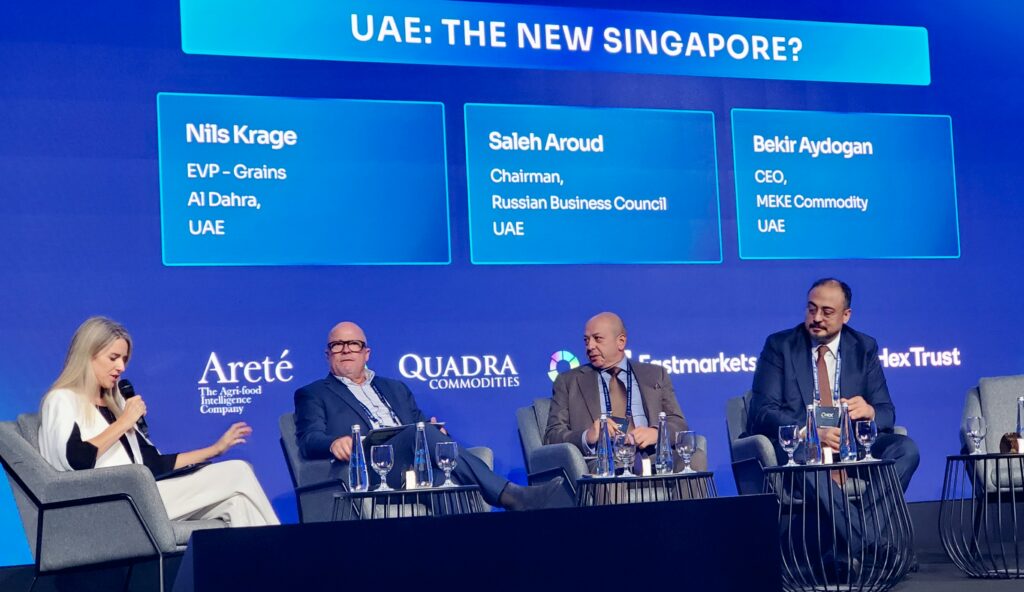
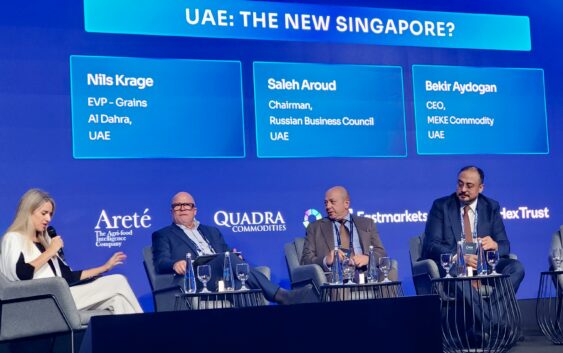
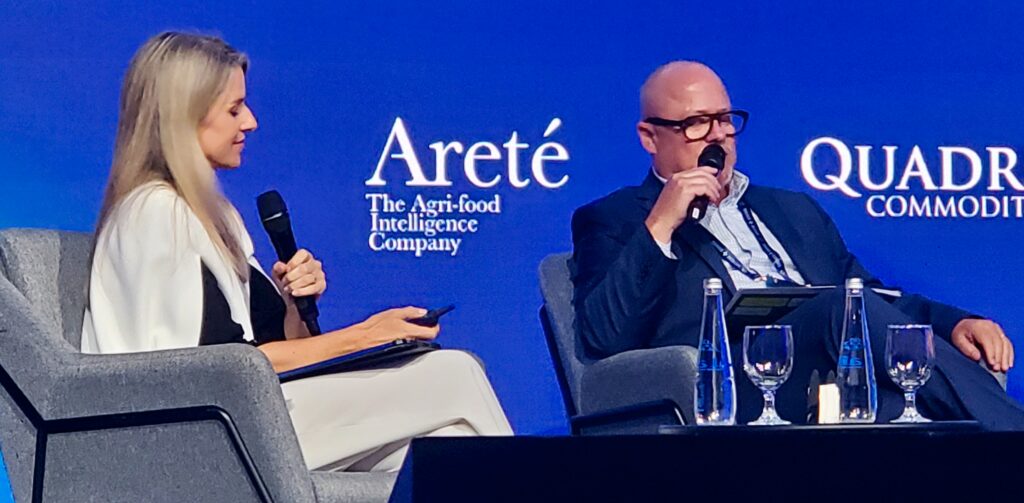
At the ICX 2026 Dubai summit, the CEO panel debated the UAE’s trajectory to mirror Singapore’s success as a global trading powerhouse. The panel—featuring Nils Krage (Al Dahra), Saleh Aroud (Russian Business Council), and Bekir Aydogan (MEKE Commodity)—highlighted how the UAE is capitalizing on strategic geography, regulatory agility, and supply chain resilience.
Key Takeaways:
Strategic Re-export and Logistics Hub: The UAE is actively bridging East and West, serving as a pivotal node for agricultural and commodity flows between the Black Sea, Africa, and Asia.
Regulatory Agility: Similar to Singapore’s early growth, the UAE is establishing specialized free zones that offer zero-tax environments and streamlined trade financing, fostering a highly attractive ecosystem for global commodity traders.
Food Security and Sovereign Backing: With strong state support, UAE-based firms like Al Dahra are investing heavily in upstream agricultural assets globally to secure long-term supply chains against disruptions.
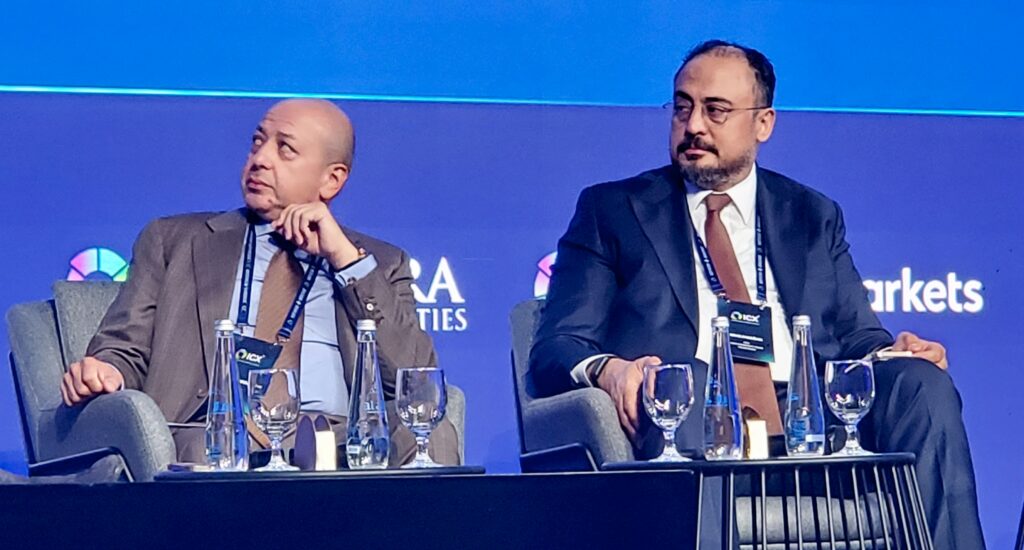
Geopolitical Adaptability: Panelists emphasized how the UAE is acting as a neutral, safe-harbor financial and trading hub during times of significant geopolitical strain and supply chain volatility.
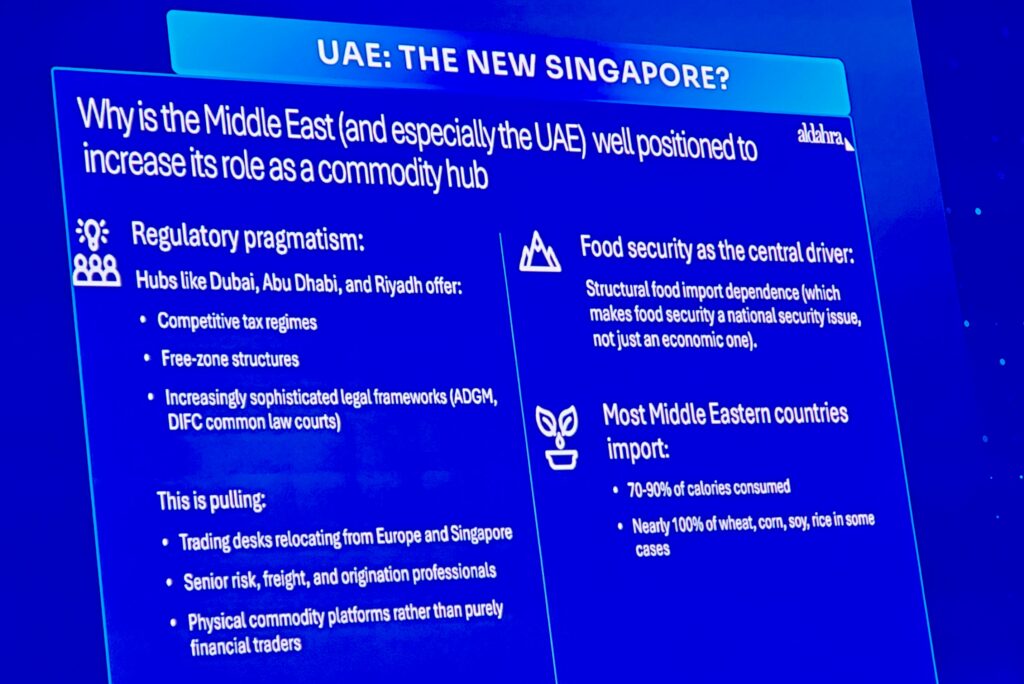
Nils Krage of Al Dahra highlighted the Vertical Integration: Building a Resilient Agri-Commodity Powerhouse.
Al Dahra, the Abu Dhabi-based agribusiness giant, has mastered vertical integration across the full agricultural value chain — from owning and operating over 100,000 hectares of irrigated farmland across multiple continents, to processing facilities (including forage lines, rice and flour mills), sophisticated global logistics through 27 ports, and distribution to 40+ markets. This end-to-end control enables secure, traceable supply of up to 6 million tonnes of forage and food commodities annually, while capturing margins at every stage and mitigating risks from volatile global trade.
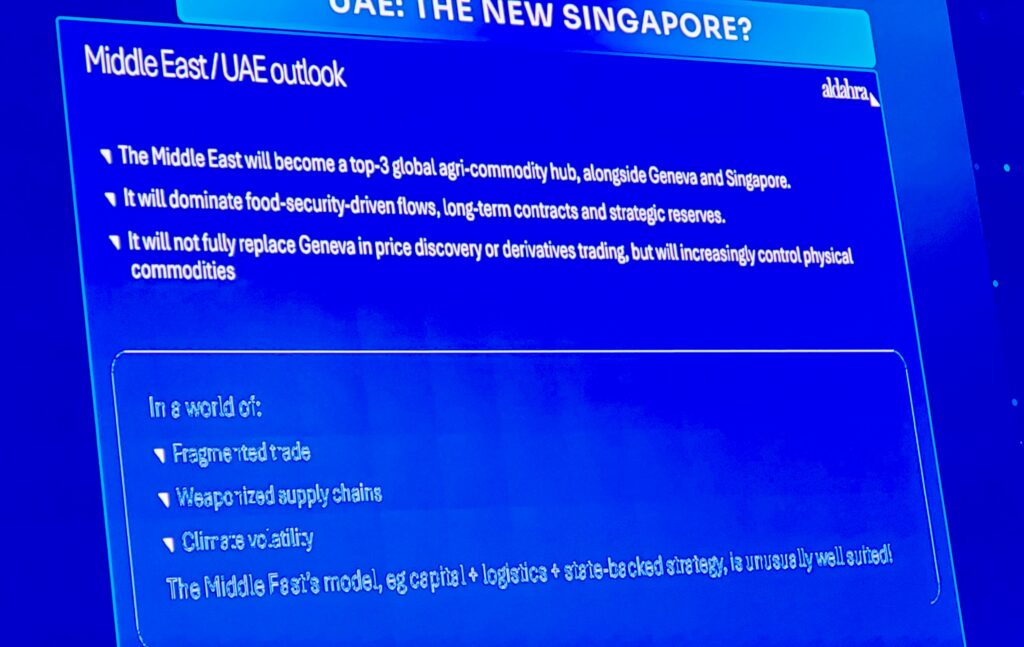
Backed by sovereign capital and aligned with UAE’s food-security priorities, the model emphasises long-term horizons, regenerative practices, sustainable logistics partnerships (e.g., with DP World), and strategic stockpiling — positioning Al Dahra as a key player in the Middle East’s emergence as a top-tier physical commodity hub less cyclical than traditional centres like Geneva or Singapore. Despite challenges in talent and capital intensity, the strategy delivers resilience in a world of fragmented supply chains and climate volatility, making it a compelling blueprint for strategic investors in agri-commodities and food security.
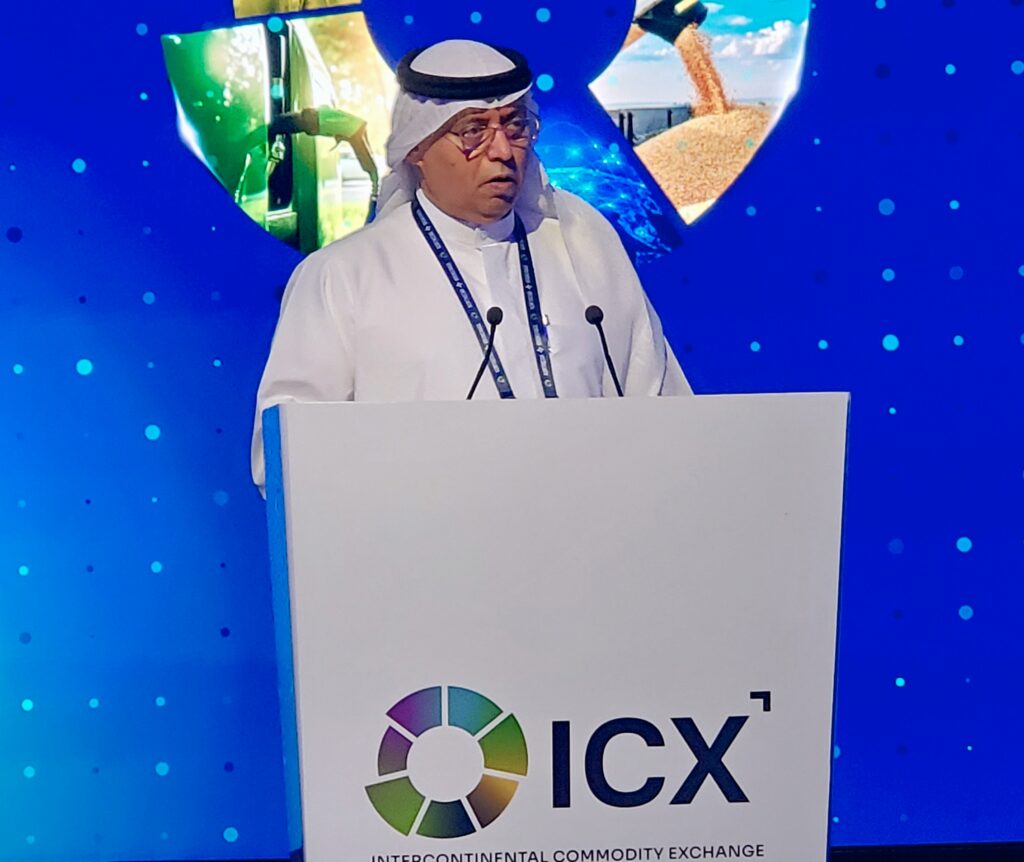
H.E. Dr. Obaid S. Al Zaabi’s opening keynote at the ICX Summit 2026 highlighted food security as a critical pillar of sovereignty, not just supply. His address underscored resilience, deep regional collaboration, and strategic investments to secure long-term societal well-being across the Arab world.
Key takeaways from his address at the Intercontinental Commodity Exchange ICX Summit:
Food Sovereignty as a Priority: Redefining food security beyond basic imports, emphasizing localized resilience and long-term societal well-being.
Strengthened Regional Value Chains: The necessity of developing and scaling integrated agricultural supply chains to protect the region from external supply chain disruptions.
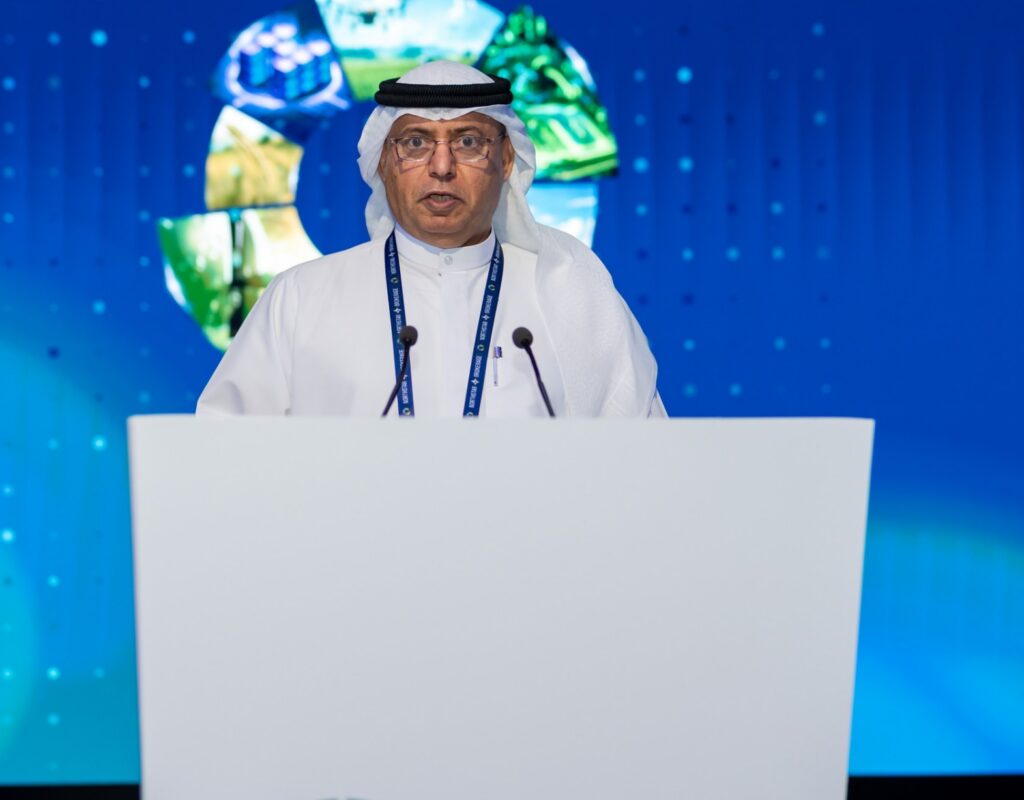
Strategic Capital Mobilization: A strong call to action for governments and private entities to channel targeted investments into climate-smart agriculture and sustainable farming to ensure a secure food future.
Inclusive Trade & Collaboration: Advocating for resilient, collaborative, and inclusive agriculture trade and partnerships to overcome structural challenges like harsh climates and water scarcity.
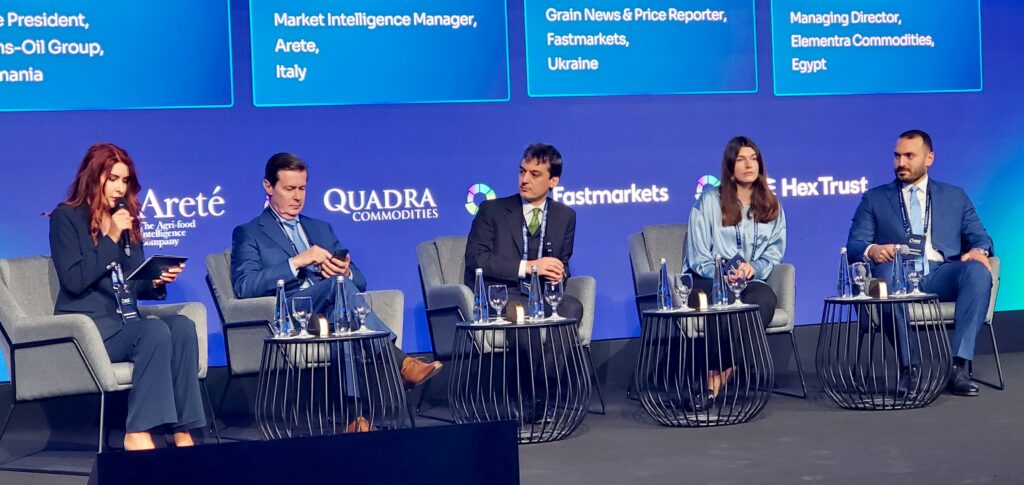
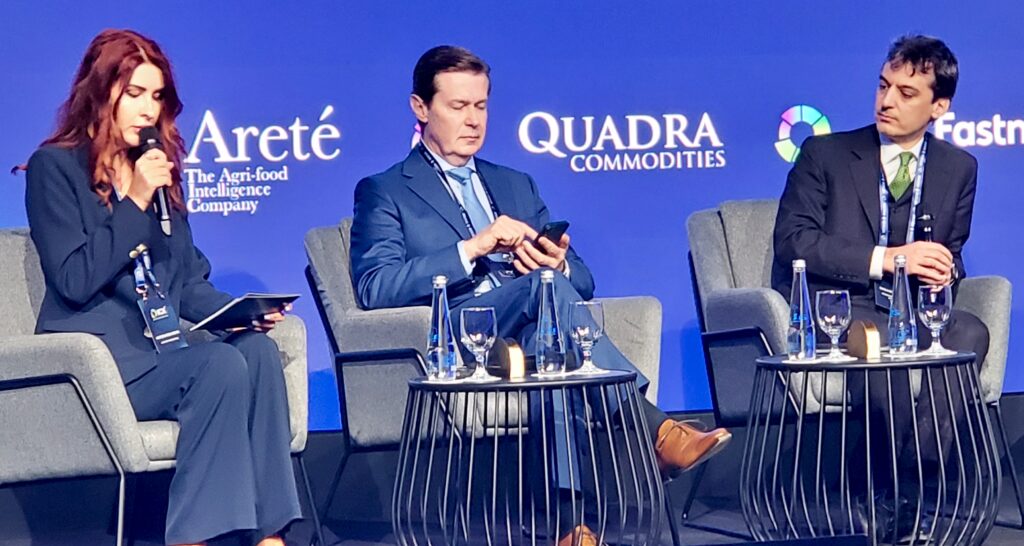
At the ICX Summit 2026 in Dubai, the industry panel “Commodity Showdown – Black Sea Disruptions & Global Grain Markets” panelists: Thierry Beaupied – Vice President, Trans-Oil Group, Romania, Calro Bevilacqua: Market Intelligence Manager, Arete, Italy, Masha Belikova: Grain News & Price Reporter, Fastmarkets, Ukraine, Mahmoud Kalila, Managing Director, Elementa Commodities, Egypt, highlighted that resilience has replaced traditional efficiency as the defining strategy for global agricultural trade.The discussion among the panelists focused heavily on how persistent geopolitical volatility in the Black Sea region has permanently re-engineered grain flows, trade financing, and sovereign food security strategies.
Key Panelist Perspectives & Takeaways
Thierry Beaupied (Vice President, Trans-Oil Group, Romania) emphasized the tactical agility required in infrastructure. He noted that operational resilience requires controlling supply chains from field to port, pointing to how alternative river and maritime exit points (such as Romanian and regional ports) have matured from temporary backups into permanent, structural trade corridors to handle agricultural volumes.
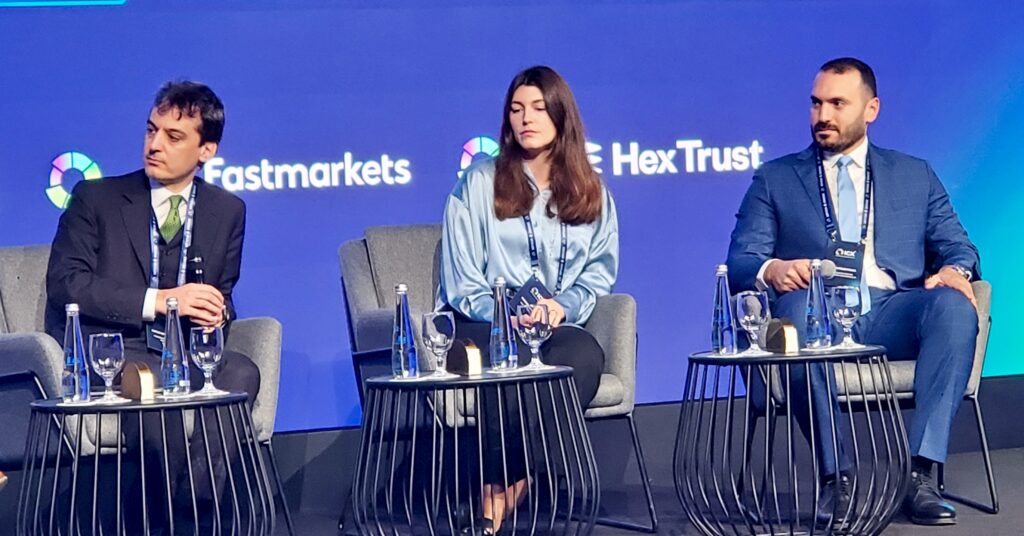
Calro Bevilacqua (Market Intelligence Manager, Arete, Italy) focused on market dynamics and shifting procurement patterns. He addressed the reality that regional shocks now ripple through global supply chains with extreme speed, forcing buyers—particularly European crushers and millers—to structurally diversify their supplier networks and adapt to permanent baseline premium spikes caused by routing uncertainties.
Masha Belikova (Grain News & Price Reporter, Fastmarkets, Ukraine) provided real-time visibility into the pricing and logistical hurdles within Ukraine. She detailed how persistent freight volatility, elevated insurance risk premiums, and localized disruptions continue to distort price discovery, making market predictability lower and requiring traders to rely on daily data iterations rather than long-term forward pricing.
Mahmoud Kalila (Managing Director, Elementa Commodities, Egypt) brought the critical buyer and destination-market perspective. He outlined how major importing nations in the MENA region are responding to Black Sea bottlenecks by enforcing aggressive sovereign food security strategies, building larger strategic national reserves, and heavily relying on emerging trade hubs like Dubai to secure physical supply.
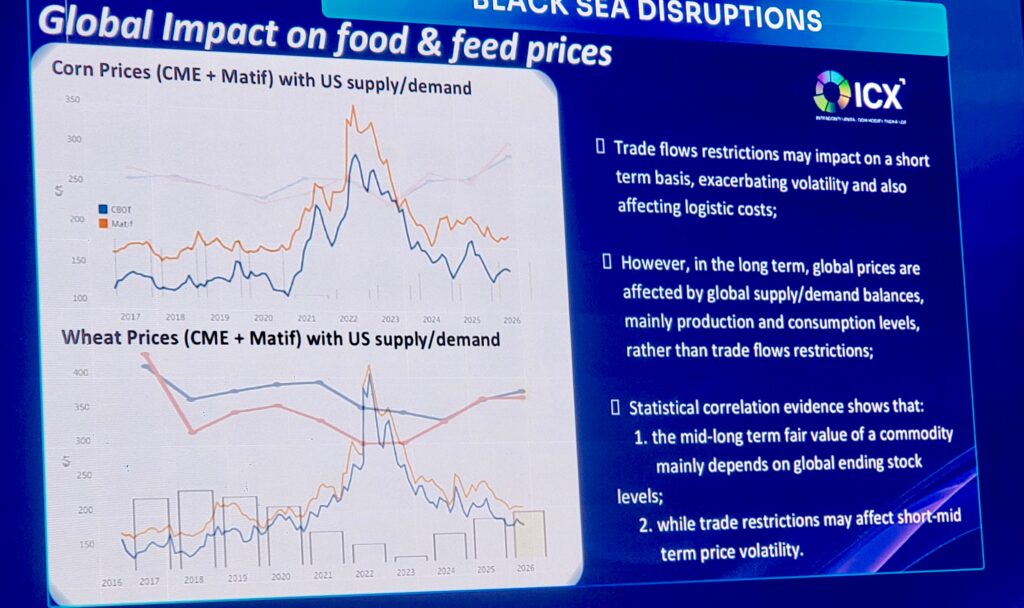
Broader structural shifts: Developing economies are prioritizing sovereign food security over cost optimization, highlighting a shift toward supply continuity amid the increased vulnerability of traditional maritime choke points. This trend is accompanied by the rapid rise of as a neutral logistics hub bridging Black Sea producers with African and Middle Eastern buyers, alongside an accelerated adoption of blockchain-based, next-gen settlement mechanisms to bypass banking friction. For more insights on this analysis, visit the original source.